November 13, 2026
How to Check If Your Bathroom Exhaust Fan Is Actually Working
By @thecleancorner
Why a Working Exhaust Fan Matters for Bathroom Mold Control
Bathroom moisture is unavoidable. Steam from a hot shower, condensation on mirrors, and damp towels all add humidity to the air. Without proper ventilation, that moisture settles on walls, ceilings, grout, and caulk. Over time, it creates the perfect environment for mold growth. A functioning exhaust fan is your first line of defense against persistent dampness and the problems that come with it. But how do you know if yours is doing its job?
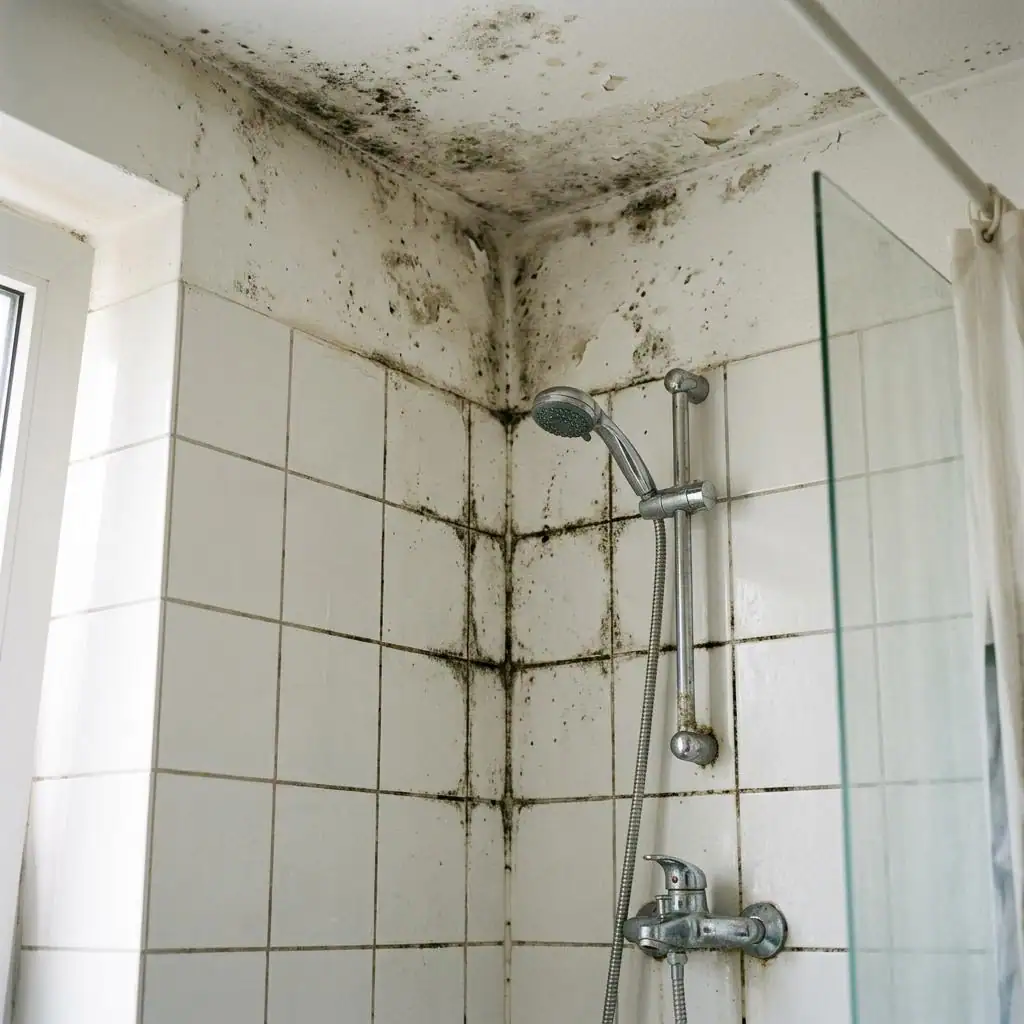
Many homeowners assume that because the fan turns on, it is pulling out moisture. That is not always the case. A fan can spin without moving enough air, or it can recirculate damp air instead of venting it outside. Catching a failing fan early can save you from dealing with hidden moisture damage and the need for full bathroom mold remediation down the line.
Step 1: Listen and Look While the Fan Is Running
Start with a simple sensory check. Turn the fan on and stand under it. Can you feel air moving? Hold a piece of toilet paper or a thin tissue near the grille. A properly working fan should pull the paper against the grille and hold it there. If the paper falls or flutters weakly, the fan is not drawing enough air.
Listen for unusual sounds. Grinding, rattling, or buzzing can mean a loose motor mount, a blocked blade, or a failing bearing. A fan that struggles to spin or wobbles while running may still move some air, but its efficiency drops significantly. Over time, that reduced airflow allows humidity to build up, especially after long showers.
Check the fan grille for visible dust and debris. A thick layer of lint or dust on the grille or blades restricts airflow. Cleaning the grille and the fan blades can restore performance, but if the buildup has been there for years, the motor may have been working harder than necessary, shortening its life.
Step 2: Test Airflow at the Exterior Vent
Most bathroom exhaust fans vent through a duct that leads to the roof or an exterior wall. Go outside and find the vent hood or louver. With the fan running, hold your hand or a piece of paper near the vent. You should feel air exiting. If you do not, the duct may be blocked, disconnected, or crushed.
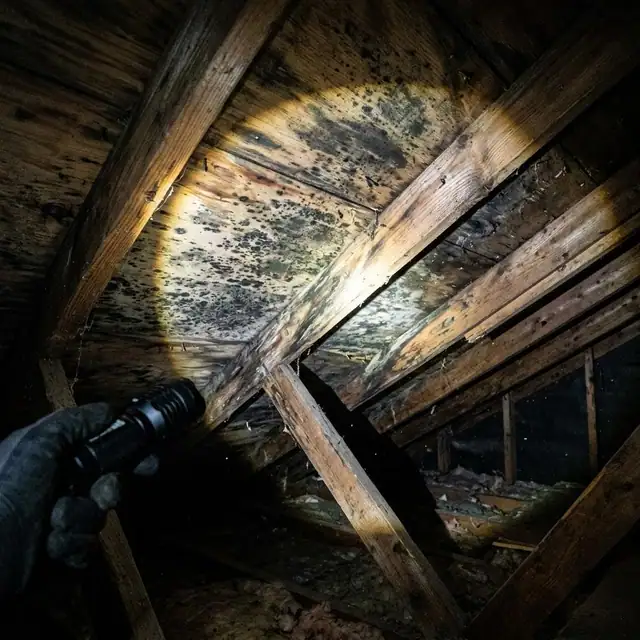
If the fan sounds strong inside but nothing comes out at the vent, the problem is in the ductwork. Birds, rodents, or nests can block the duct. In older homes, ducts can collapse or become clogged with debris. A disconnected duct means the fan is just circulating air inside the attic or wall cavity, which does nothing for your bathroom. This is a common issue that goes unnoticed because the fan still makes noise.
A blocked or broken duct is a serious concern. It means moisture is not being removed from the bathroom, and it may be accumulating in hidden spaces where you cannot see it. That hidden moisture can lead to structural damage and mold growth that requires professional attention. A service like Mold Removal Boston Pros bathroom mold inspection can identify moisture issues that stem from poor ventilation, even when the problem is not obvious from inside the room.
Step 3: Measure the Airflow with a Simple Tool
For a more objective test, you can use an anemometer. These handheld devices measure airspeed. Hold the anemometer a few inches from the fan grille while the fan runs. Compare the reading to the fan's rated performance, which is usually printed on a label inside the fan housing or in the installation manual. If the measured airflow is significantly lower than the rating, the fan is underperforming.
If you do not have an anemometer, use the tissue test again but this time try it at different positions around the grille. A fan that pulls well in the center but barely pulls at the edges may have a partially blocked blade or a motor that is losing torque. Uneven airflow suggests the fan is not operating at full capacity.
Another low-tech method: turn the fan on and use a smoke pencil or a stick of incense. Hold it near the fan grille and watch how the smoke moves. It should be drawn into the fan. If the smoke drifts away or swirls back into the room, the fan is not creating enough negative pressure to capture the air. This is a clear sign that the fan needs repair or replacement.
Step 4: Check the Fan's CFM Rating Against Your Bathroom Size
Every exhaust fan has a CFM (cubic feet per minute) rating that tells you how much air it can move. The general rule is that a bathroom fan should be able to exchange the room's air volume eight times per hour. To calculate, multiply the bathroom's length, width, and height to get the cubic footage. Then divide by 7.5 to get the minimum CFM needed for an eight-air-change-per-hour rate.
For example, a bathroom that is 8 feet by 6 feet with an 8-foot ceiling is 384 cubic feet. Dividing by 7.5 gives roughly 51 CFM. Many older fans are rated around 50 CFM, which barely meets the minimum for a small bathroom. If your bathroom is larger or has a high ceiling, a fan rated at 50 CFM may not be enough. Upgrading to a fan with a higher CFM rating can make a noticeable difference in moisture control.
If you do not know the CFM of your current fan, look for a label on the motor housing. Some fans list the CFM at different static pressure levels. If the label is missing or unreadable, you can search the model number online. If the fan is very old, it may be worth replacing it with a newer model that meets current standards.
Step 5: Inspect the Duct and Damper for Proper Operation
Many exhaust fans have a backdraft damper, a small flap that opens when the fan runs and closes when it stops. This prevents outside air from coming back into the bathroom. If the damper is stuck closed, the fan cannot push air out. If it is stuck open, cold or hot outside air can enter, and pests can get in.
Remove the fan grille and look inside. You should see the damper flap. Turn the fan on and watch it open. It should move freely and fully. If it does not, clean around the hinge and check for obstructions. A damper that stays partially closed reduces airflow significantly. A damper that does not close at all allows unconditioned air to enter, which can cause condensation and moisture issues year-round.
If the duct itself is accessible, inspect it for kinks, crushing, or disconnections. Flexible ducting can sag over time, creating low points where moisture collects and restricts airflow. Rigid metal or PVC ducts are more durable but can become disconnected at joints. Any break in the duct path means the fan is not venting where it should.
When to Call for Help
If you have gone through these steps and the fan still seems weak, or if you discover a blocked or disconnected duct, you may need professional assistance. Some issues, like a nest in the duct or a failing motor, require tools and experience to fix safely. Attempting to repair ductwork on a steep roof or inside a tight attic space can be dangerous.
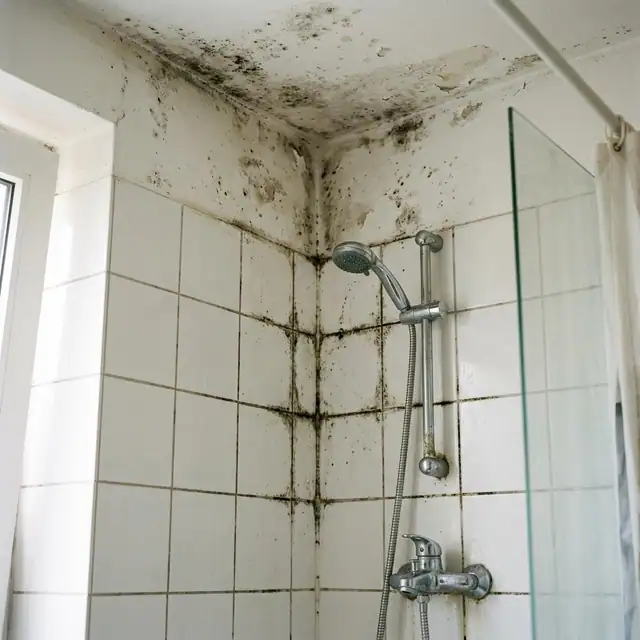
Even if the fan is working well, a bathroom with chronic moisture problems may need more than better ventilation. Hidden leaks, inadequate insulation, or a shower that lacks a proper vapor barrier can all contribute to mold growth. Addressing only the fan may not solve the underlying issue. A thorough assessment, such as the one offered by Mold Removal Boston Pros bathroom mold inspection, can uncover all the factors at play and help you decide on the right course of action.
Mold Removal Boston Pros focuses on bathroom mold remediation by targeting visible growth, hidden moisture, damaged materials, and ventilation problems. Their approach looks at the whole picture, not just the fan. But a working exhaust fan is a critical piece of that puzzle. If your fan passes all the tests above, you have one less thing to worry about. If it does not, fixing it is a straightforward step that can prevent bigger problems later.
Regular maintenance of your bathroom exhaust fan takes only a few minutes and can extend its life by years. Clean the grille every month, check the damper twice a year, and listen for changes in sound. A fan that runs quietly and moves air effectively is a fan that is doing its part to keep your bathroom dry and mold-free.
❧